
Why Choose Natural Henna for Body Art: The Dangers of PPD and Black Henna
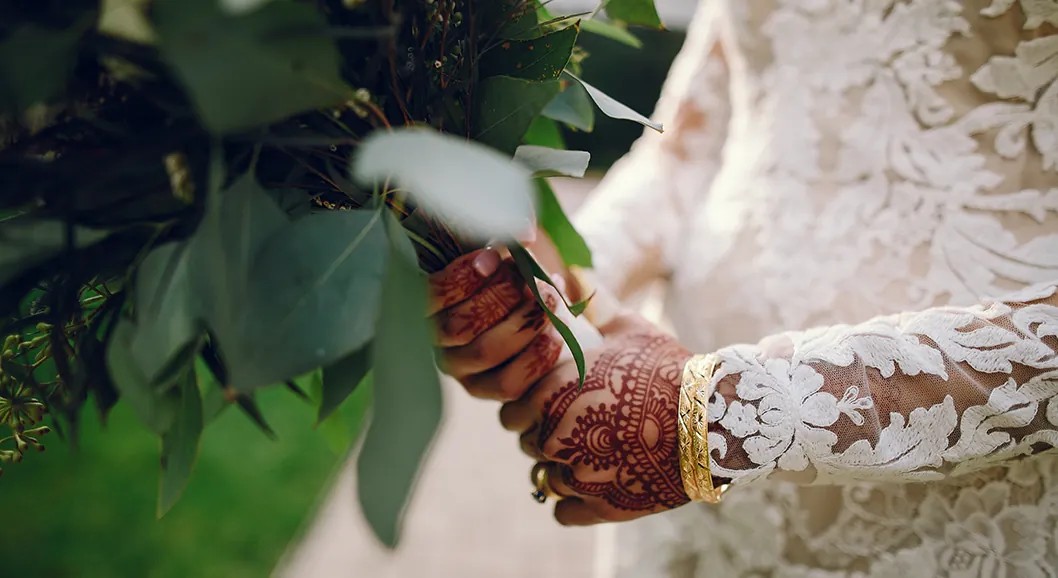
Henna has been used to decorate skin for thousands of years. Real henna is simply the powdered leaves of the henna plant, mixed into a paste with lemon juice or water and essential oil. It is gentle, plant-based and leaves a beautiful orange to reddish-brown stain.
Unfortunately, not everything sold as "henna" is henna. Black henna temporary tattoos and some ready-made "instant" cones contain chemicals that have no place on your skin. This guide explains the risks, how to recognise real henna and how to get the darkest natural stain.
What is in natural henna?
Natural henna paste needs only a few ingredients:
- Henna powder made from dried, ground henna leaves
- Lemon juice, or water for anyone with a citrus allergy
- An essential oil suitable for henna, such as cajeput or lavender
That is it. The colour comes from lawsone, a natural dye molecule in the henna leaf that binds to the outer layer of your skin.
The dangers of PPD and "black henna"
There is no such thing as natural black henna. The henna plant only ever stains orange to reddish brown. Products sold as "black henna" usually get their colour from para-phenylenediamine (PPD), a chemical used in permanent hair dye.
PPD is allowed in hair dye at controlled levels, but it is not permitted in products intended to go on the skin in the UK. Black henna tattoos often contain it in high concentrations, and the results can be serious:
- Itching, redness, swelling, blistering and weeping skin, often appearing several days after application
- Painful chemical burns
- Permanent scarring, or lighter or darker patches of skin in the shape of the design
- Lifelong sensitisation, so you may react badly to hair dyes and some other products for the rest of your life
Children are particularly at risk, and many reactions happen after a quick "henna tattoo" on holiday.
Other chemicals to avoid
PPD is not the only concern. Some "instant" or "chemical" cones that promise a dark stain in minutes, or that sit on a shop shelf for months, may contain:
- Ammonia, used to speed up and darken the colour, which can irritate and burn the skin
- PEGs (polyethylene glycols) and other solvents
- Synthetic dyes and preservatives
- Metallic salts
None of these are needed to make henna paste.
How to spot fake henna
- It is sold as "black" henna, or promises a black stain
- The stain is dark brown or black as soon as the paste comes off
- It claims to work in minutes rather than hours
- It is shelf-stable for months at room temperature. Fresh henna paste needs to be refrigerated or frozen.
- There is no full ingredient list, or the ingredients include anything other than henna, liquid, sugar and essential oil
- It has a strong chemical or petrol-like smell
Want a black, tattoo-like colour? Use jagua
If you really want a dark design that looks like a real tattoo, do not reach for black henna. Use jagua instead. Jagua is a natural dye from the fruit of the Genipa americana tree, and it develops into a blue-black stain over 48 to 72 hours, with no PPD. Read our jagua body art guide or try our ready-to-use jagua gel cones.
Why buy from a specialist supplier like Henna Boy
At Henna Boy we sell only natural henna for body art. Our Indian henna powder is body art quality, with no metallic salts. Our pre-mixed henna cones are freshly made to order with natural ingredients: henna powder, lemon juice (or a citrus-free water mix) and cajeput or lavender essential oil. There is no PPD, ammonia, PEGs or other chemicals.
Because our cones are fresh and natural, they need to be kept in the freezer and used within a few days once thawed. That is a good sign: real henna paste does not last for months on a shelf.
How a natural henna stain develops
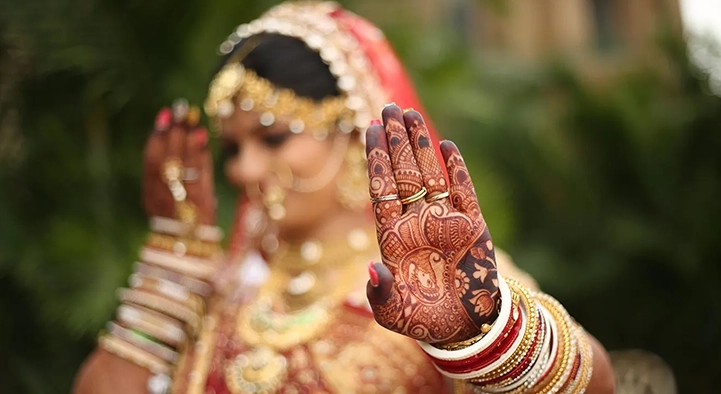
A natural henna stain changes colour over the first couple of days:
- Bright orange when you first remove the dried paste
- Deepening to red-brown over the next 24 to 48 hours as the stain oxidises
- Rich reddish brown at its darkest, usually around day 2 or 3
Thicker skin, such as the palms and the soles of the feet, stains darkest. The stain then fades gradually as your skin naturally exfoliates, usually over one to three weeks.
Getting the darkest stain: seal and wrap
The longer henna paste stays in contact with your skin, the darker the stain. Leave it on for at least 4 to 6 hours, or overnight if you can.

- Seal the paste: once the paste has dried, mist it lightly with a lemon and sugar henna sealant. This helps it stick to your skin and stop it cracking and falling off.
- Wrap it with micropore tape: covering the dried paste with hypoallergenic micropore tape holds it firmly against your skin, keeps it warm and protects the design while you sleep. Warmth and longer contact give a noticeably darker stain.
- Keep warm: henna stains better on warm skin.
- Scrape, do not wash: when you remove the paste, scrape it off rather than washing it, and keep the area dry for as long as you can, ideally 12 to 24 hours.
Practise before you go freehand

New to henna? Fill a few empty henna cones and practise on our acrylic practice hand or practice board. Place a design underneath to trace it, wipe clean and start again. It is the quickest way to build steady lines before you work on skin.
Ready to start?
Our Starter Henna Cone Kit includes freshly mixed natural henna cones, so you can try henna without mixing any powder. If you would rather make your own, read our guide on how to mix henna powder.
Safety first: even natural henna can occasionally cause a reaction. Patch test on a small area first, and never use a product that promises a black stain.
Products in this article


More from the blog
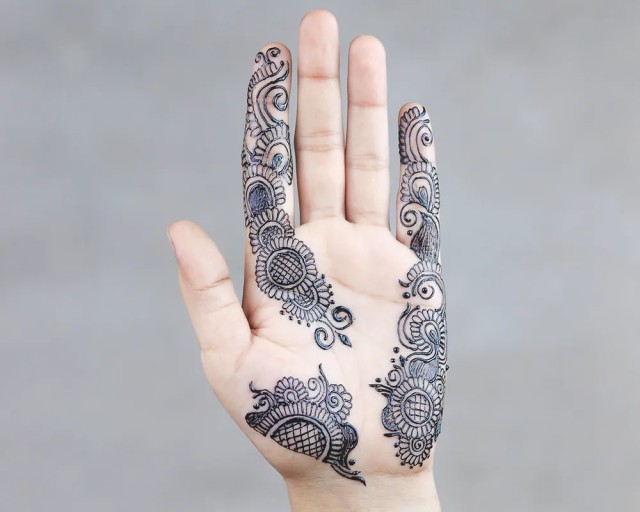
Jagua Body Art: The Natural Blue-Black Alternative to Black Henna
Want a dark, tattoo-like design without the dangers of black henna? Jagua comes from the Genipa americana fruit and gives a natural blue-black stain. Here is where it…
How to Make Jagua Gel from Jagua Powder
Jagua gives a blue-black temporary tattoo that looks like real ink. Our step-by-step recipe shows you how to make jagua gel from powder at home, plus how to apply it f…

How to Mix Henna Powder: A Step-by-Step Guide
Mixing your own henna paste is simple once you have the right equipment. Our step-by-step guide covers sifting, the 100g recipe, smoothing the paste and knowing when i…