
Jagua Body Art: The Natural Blue-Black Alternative to Black Henna
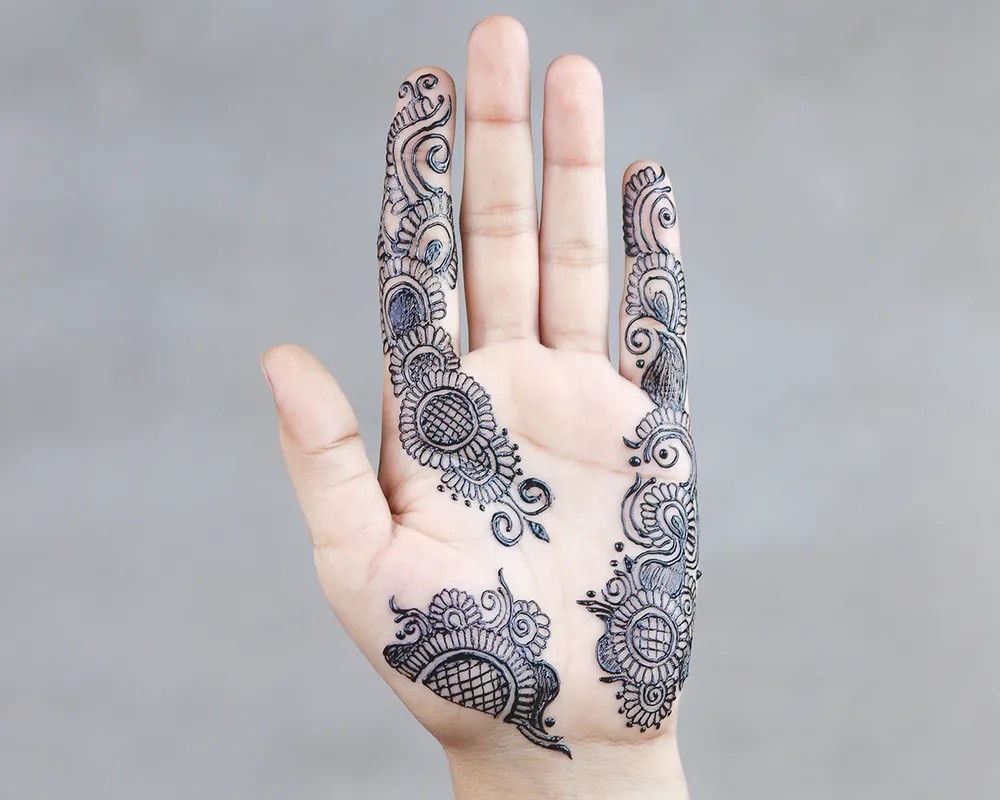
If you love the look of henna but want a dark, blue-black design that looks like a real tattoo, jagua is the answer. It is completely natural, it comes from a fruit, and it is the safe alternative to so-called black henna, which often contains the harmful chemical PPD.
Where jagua comes from
Jagua comes from the fruit of Genipa americana, a tree native to the tropical forests of Central and South America and the Caribbean. The fruit is also known as genipap or huito.
The juice of the unripe fruit contains a natural compound called genipin. Genipin is almost colourless, but when it comes into contact with the proteins in your skin it slowly reacts to form a deep blue-black colour. That is why a jagua design starts off pale and develops over a few days.
Its origins
Indigenous peoples of the Amazon and Central America have used jagua to decorate the skin for centuries. Designs were painted on for ceremonies, celebrations and rites of passage, and jagua was traditionally believed to help protect the skin from the sun and insects. Many communities still use jagua body art today.
In recent years jagua has become popular with henna artists around the world, as it offers a natural way to create bold, dark designs that henna alone cannot give.
How we make our jagua
We buy our jagua as a freeze-dried powder. Freeze-drying the fruit juice preserves the genipin, so the powder keeps its strength and is easy to store until it is needed.
To turn the powder into a smooth gel we add:
- Water to bring the jagua back to life
- Xanthan gum, a natural thickener that gives the gel a consistency you can pipe in fine lines
- Lavender essential oil, for a pleasant scent and a richer stain
Our ready-made jagua gel cones, jagua gel pouches and jagua paste cones are ready to use. If you would rather mix your own, follow our guide on how to make jagua gel from jagua powder, or start with the Jagua Powder Mixing Kit.
How a jagua stain develops
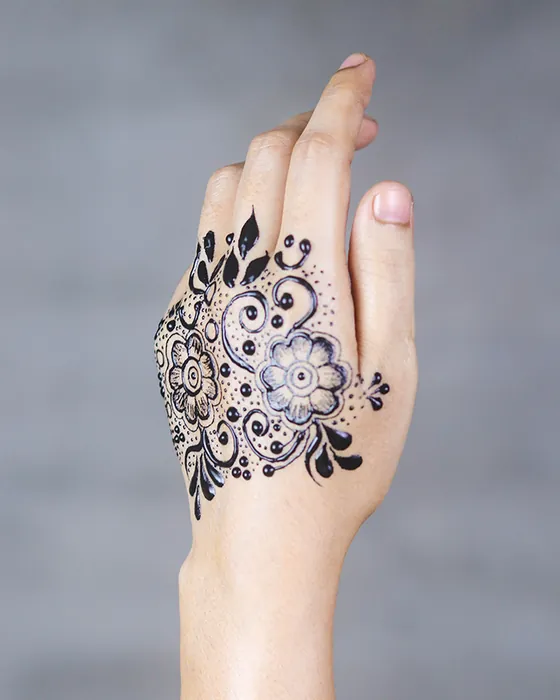
Do not be alarmed when you first remove the gel. The stain starts off very pale, almost invisible. Over the next 48 to 72 hours it gradually darkens to a rich blue-black.
The design usually lasts around one to two weeks, fading gradually as your skin naturally exfoliates.
Getting the best results
- Apply to clean, dry skin. Avoid areas that sweat a lot, as sweat spreads the dye.
- Leave the gel on. Let it dry and leave it on the skin for at least 1 hour.
- Cover with micropore tape. As with henna, covering the dried gel with hypoallergenic micropore tape gives better results. It keeps the gel in contact with your skin and protects the design from smudging.
- Wash before bed. Before you go to sleep, wash the area to remove any excess dye so it does not transfer to your bed sheets.
- Keep it frozen. Store jagua gel in the freezer and thaw only what you need.
For fine, precise lines, fill a 30ml applicator bottle.
Jagua and henna compared
| Henna | Jagua | |
|---|---|---|
| Source | Leaves of the henna plant | Fruit of Genipa americana |
| Final colour | Reddish brown | Blue-black |
| Colour when paste is removed | Bright orange | Very pale, almost invisible |
| Time to reach full colour | 24 to 48 hours | 48 to 72 hours |
Allergy advice
Important: anyone with a citrus or tropical fruit allergy should not use jagua products. Always patch test before a full application.
Products in this article


More from the blog
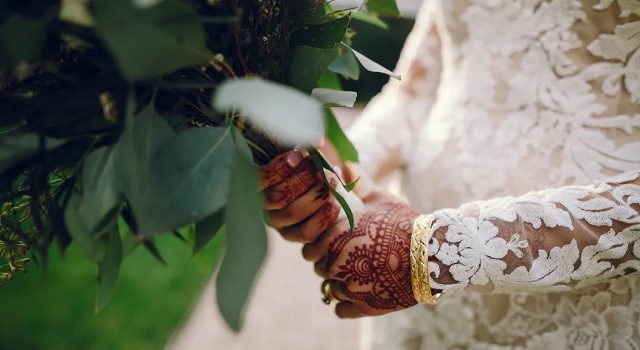
Why Choose Natural Henna for Body Art: The Dangers of PPD and Black Henna
Real henna is safe, natural and stains orange to rich reddish brown. Black henna and chemical cones can contain PPD, ammonia and other additives that cause serious ski…
How to Make Jagua Gel from Jagua Powder
Jagua gives a blue-black temporary tattoo that looks like real ink. Our step-by-step recipe shows you how to make jagua gel from powder at home, plus how to apply it f…
How to Mix Henna Powder: A Step-by-Step Guide
Mixing your own henna paste is simple once you have the right equipment. Our step-by-step guide covers sifting, the 100g recipe, smoothing the paste and knowing when i…